Architecture and sizing
Translating the concept of operations into requirements, configuration, mass and power budget, interfaces and performance criteria.
Development and integration of unmanned aerial systems configured around the application, the operating environment and the payload.
From the initial architecture to the integration of avionics, sensors and components, Sirius connects disciplines to turn a mission requirement into a technically coherent and verifiable solution.
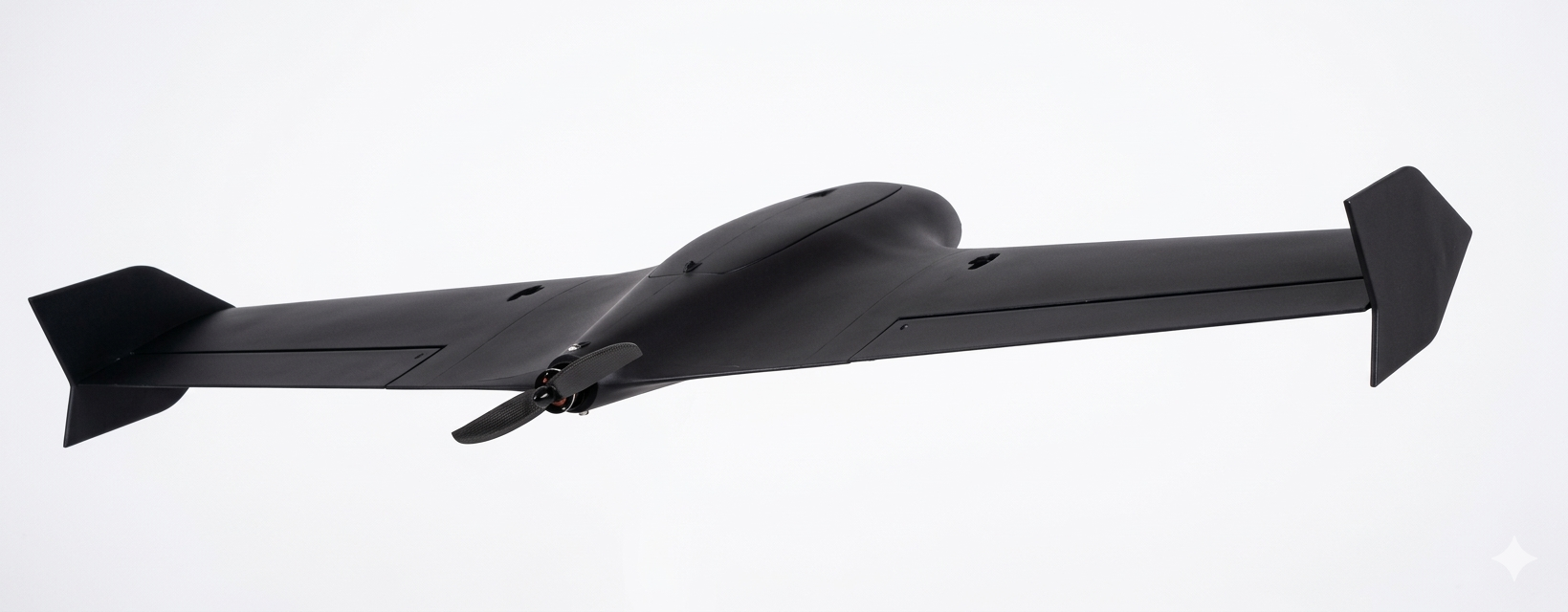
Flight profile, intended range, payload, datalinks, power, environment, logistics and maintenance all shape the system configuration. Sirius organizes these variables from the start to build a balanced architecture with defined interfaces and traceable technical choices.
The scope can cover a specific discipline or the integration of the complete system, depending on the project's maturity, risk and objective.
Translating the concept of operations into requirements, configuration, mass and power budget, interfaces and performance criteria.
Development of fixed-wing, VTOL and hybrid aircraft, as well as dedicated parts, mounts and components.
Integration of autopilot, navigation, inertial sensors, flight data, actuation and power distribution.
Matching motors, propellers, controllers, batteries and power architecture to the mission profile.
Telemetry, command and control, data transmission and ground station integration within the contracted scope.
Mechanical, electrical and logical integration of electro-optical systems, imagers, special sensors and dedicated payloads.
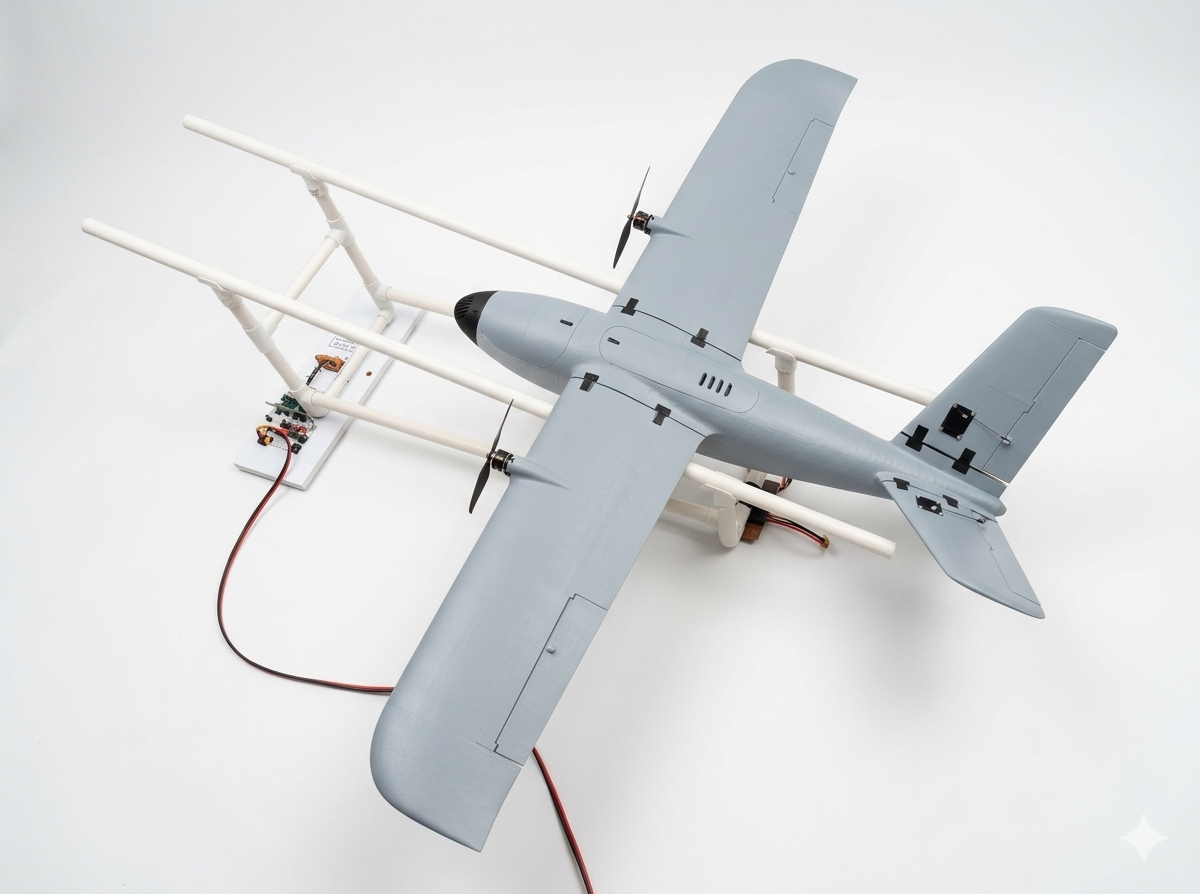
UAV engineering requires aerodynamics, structure, propulsion, electronics, embedded software, communication and payload to work as a single system. Sirius structures interfaces, requirements and checks so that each subsystem contributes to the mission.
We select and integrate technologies that match the project's objectives. Brands and components shown represent solution classes, not a fixed configuration.
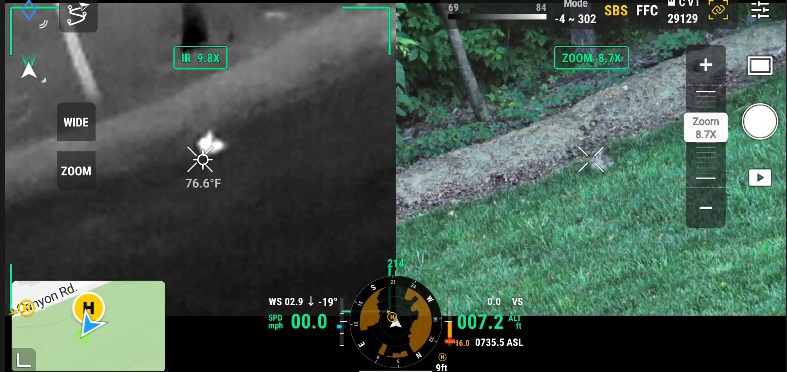
Integration of visible, thermal or other mission data to support observation, inspection and analysis.
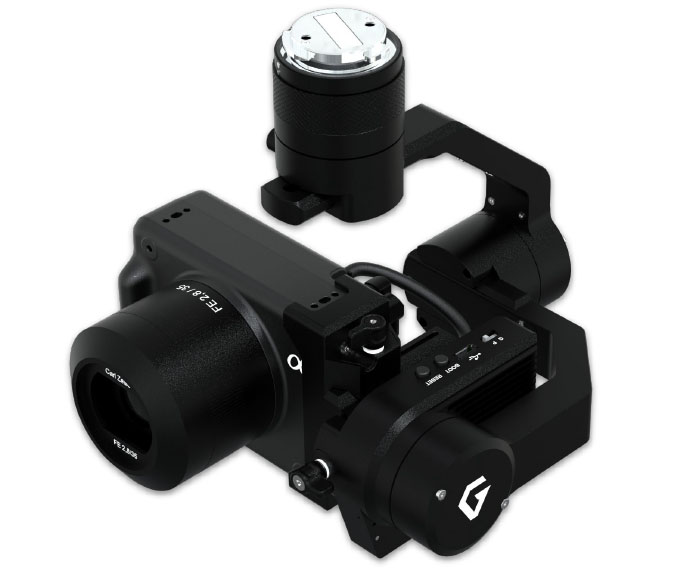
Definition of mounting, power, control, communication and field of view for electro-optical payloads.
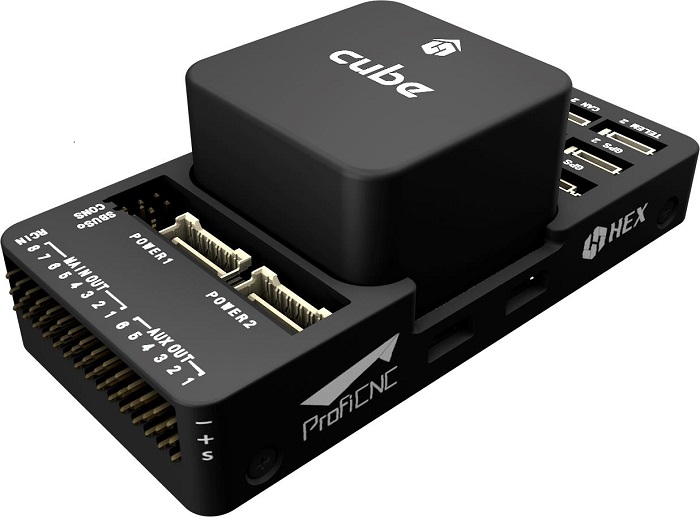
Integration of the flight controller with the platform's sensors, actuators, power, telemetry and operational logic.
Configuration choices are driven by the operating scenario: need for vertical takeoff, cruise efficiency, available area, payload, transport, assembly and field support.
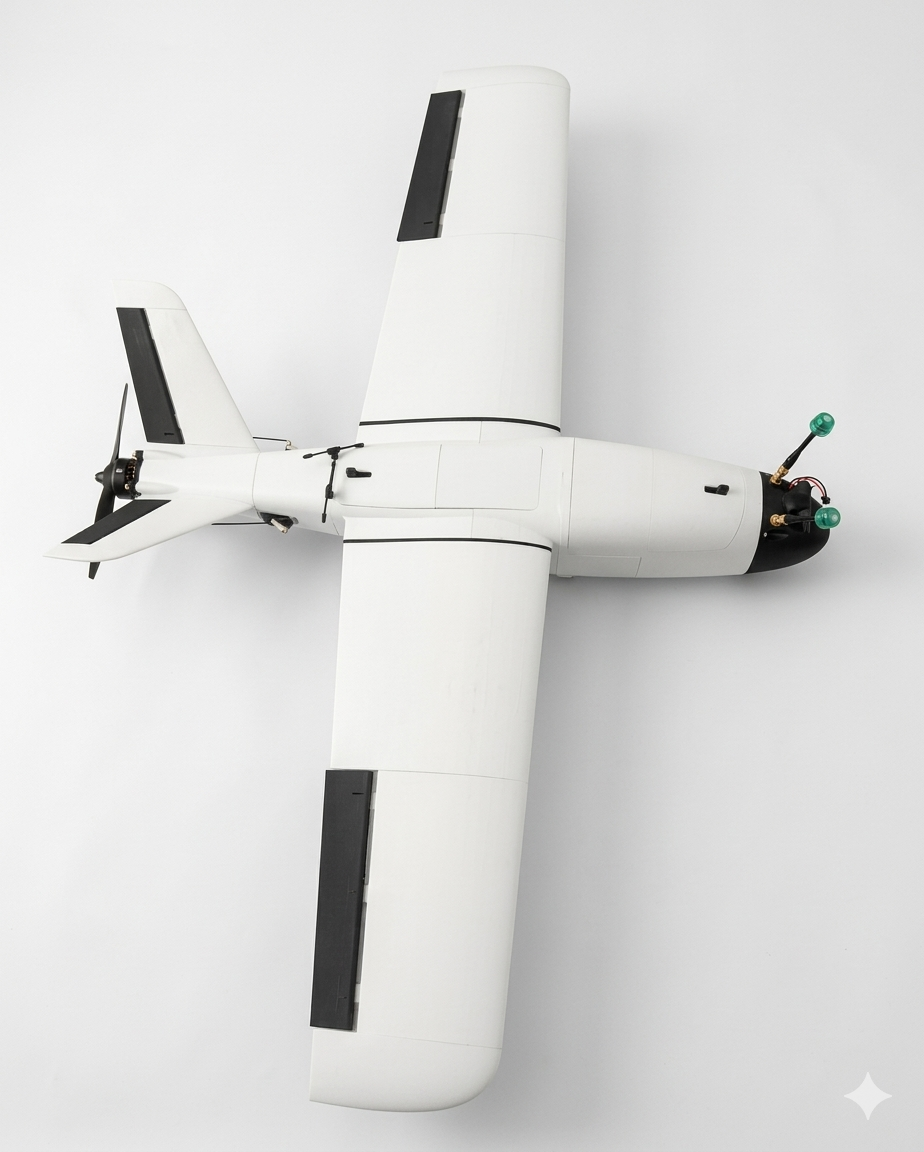
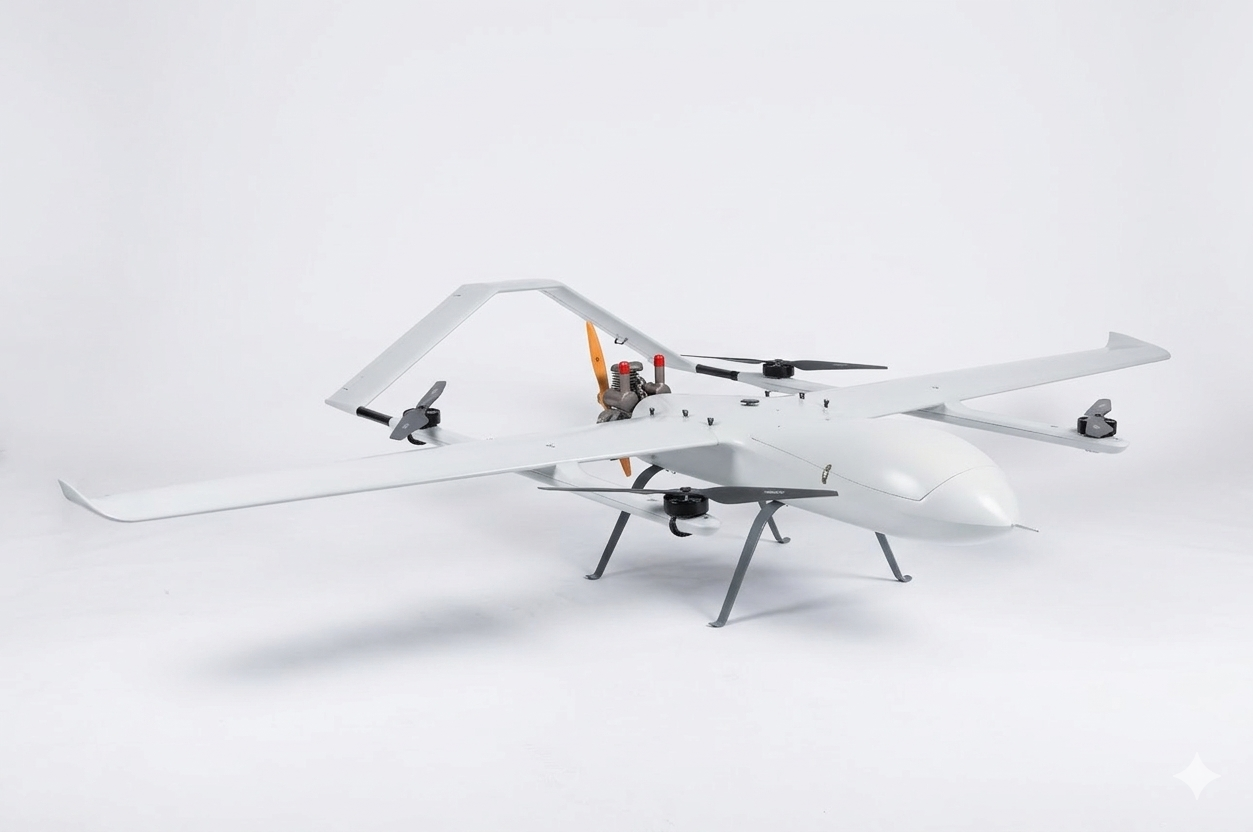
Each application requires its own combination of platform, sensors, intended endurance, communication and processing.
Integration of cameras and sensors for organized acquisition of georeferenced data.
Configurations for visual and thermal data collection on assets, corridors and hard-to-reach areas.
Platforms and payloads for persistent observation, environmental monitoring and situational awareness support.
Flying testbeds, technology demonstrators and integration of new sensors or algorithms.
Development advances in cycles of definition, integration and evidence. Activities and deliverables are proportional to the project's maturity and criticality.
Use scenario, environment, payload, constraints, interfaces, logistics and success criteria.
Platform configuration, subsystems, mass and power budget and definition of the main interfaces.
Detailed design, component selection, manufacturing or adaptation and integration preparation.
Functional checks, bench tests, interface analysis and test progression according to plan.
Documentation, agreed training, technical support and an improvement plan for the next cycles.
Concept of operations, requirements and system architecture.
Interface specification and subsystem configuration.
Design of components, mounts and integrations as contracted.
Plan, records and reports of the checks performed.
Technical documentation, delivered configuration and agreed training.
The institutional profile of Sirius Dynamics Technology in the ABIMDE directory covers fixed-wing aircraft, parts and components, electro-optical systems, aeronautical sensors and remotely piloted aircraft — UAVs and UAS.
View official ABIMDE profile ↗Performance, configuration, component availability, testing activities and documentation are defined after a technical assessment. Operating authorizations, certifications and other applicable requirements depend on the configuration, the intended use and the competent authorities.