Research and feasibility
Investigation of technologies, solution alternatives, constraints, early experiments and criteria to decide whether — and how — the concept should move forward.
Applied research · trade-offs · proof of principleWe turn technological challenges into integrated prototypes, bringing research, architecture, hardware, mechanics, firmware, software and testing into a single development flow.
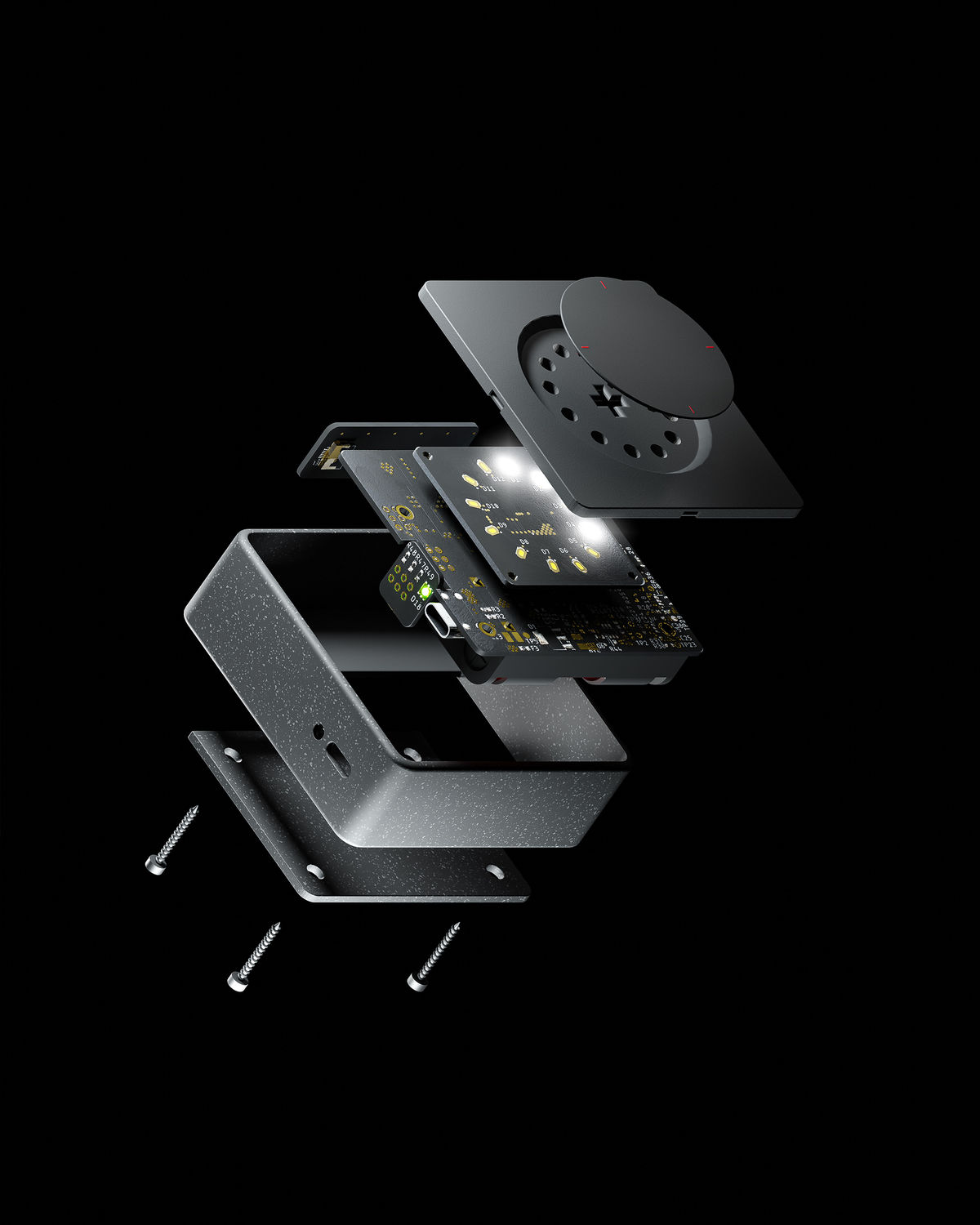
Before investing in product, tooling or scale, a prototype lets you test principles, interfaces, risks and architecture decisions. It turns a hypothesis into observable evidence.
That is why our work can start with research and feasibility, move through subsystems and reach a complete functional demonstrator — with the level of fidelity suited to the question the project needs to answer.
Modular or end-to-end engagement, depending on maturity, risks and the capabilities already in the client's team.
Investigation of technologies, solution alternatives, constraints, early experiments and criteria to decide whether — and how — the concept should move forward.
Applied research · trade-offs · proof of principleRequirements, architecture, breakdown into subsystems, interfaces and technical decisions organized around the function the whole system must perform.
Requirements · architecture · interfacesElectronic architecture, selection and integration of components, sensors, actuators, power, processing and communication according to scope.
Electronics · sensors · connectivityDrivers, data acquisition, control logic, communication, interfaces and applications needed to turn components into functional behavior.
Embedded · control · applications3D CAD modeling, mechanisms, enclosures, mounts, interfaces, technical ergonomics and geometry preparation for prototyping and manufacturing.
CAD · physical integration · manufacturabilitySubsystem assembly, bring-up, diagnostics, functional tests, recording of results and correction cycles driven by the project criteria.
Integration · testing · evidence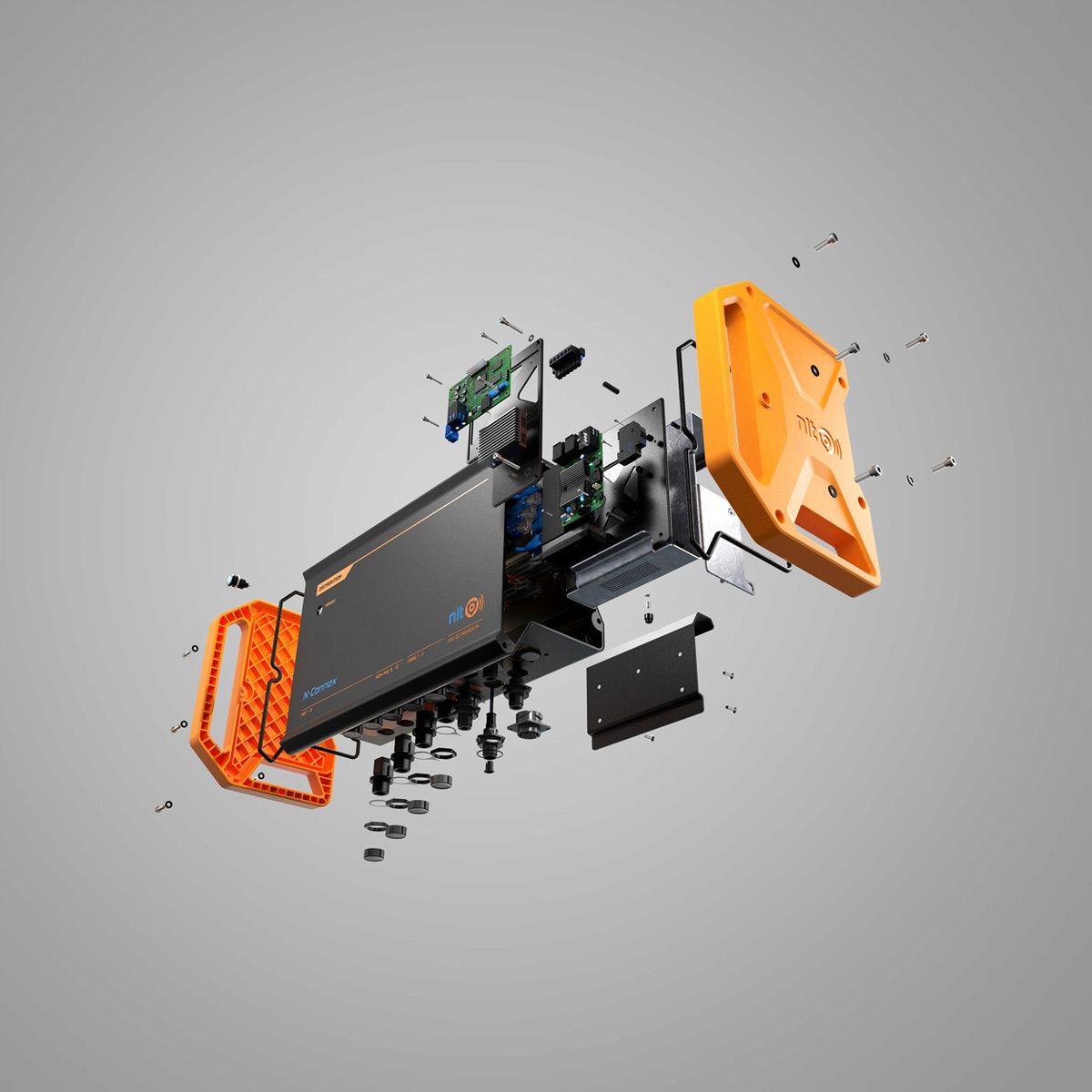
An isolated board, an enclosure or an algorithm may work on their own and still fail as a product. An integrated prototype makes the interfaces between power, signals, data, software, assembly, heat dissipation, use and maintenance visible.
When relevant, the project can be organized using technology readiness references such as TRL, to make explicit what has already been demonstrated and what still needs validation.
Problem, application, hypothesis and expected value.
Critical principle demonstrated in a controlled scenario.
Priority functions combined for technical learning.
Integrated subsystems with higher fidelity of use.
Technical package and preparation for the next phase.
The roadmap is sized case by case. Not every project needs to go through every stage, and the reference to TRL serves as a planning guide — not as automatic certification of maturity.
A good prototype doesn't try to reproduce everything from the start. It focuses resources on the risks and hypotheses that need to be resolved at that stage.
Validates a principle, technology or critical function with the smallest configuration able to produce evidence.
Combines priority functions to test performance, behavior, interaction and architecture decisions.
Integrates hardware, mechanics and software in a representative configuration for more rigorous verification.
Communicates the system's capability to users, partners and decision-makers in a relevant scenario.
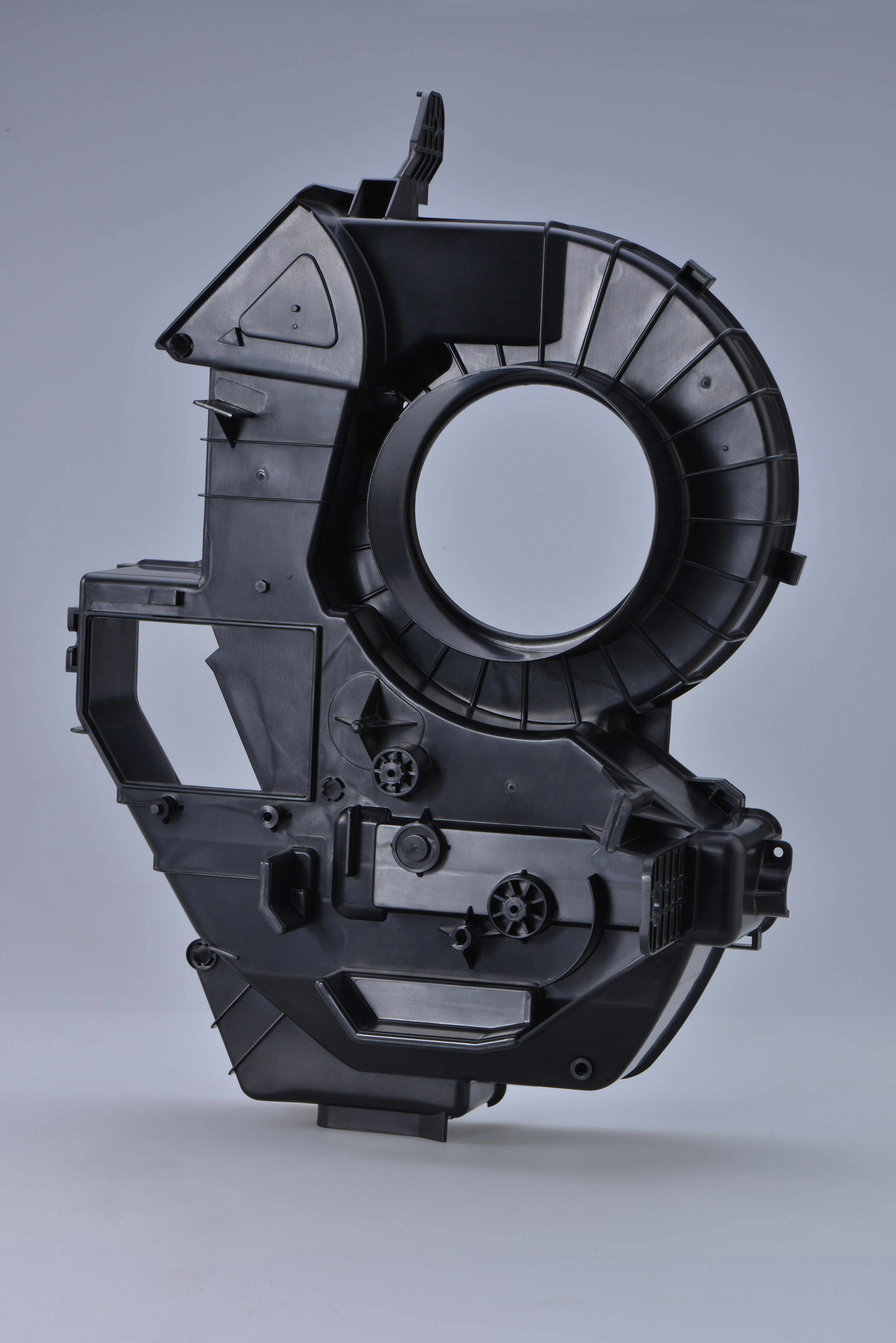
Physical development considers interfaces, fasteners, access, volume, protection and the manufacturing process. CAD models and prototyped parts help verify assembly, technical ergonomics and compatibility before more expensive or hard-to-reverse choices.
The process combines research and engineering. Each cycle produces deliverables and evidence that guide the next decision.
Context, research, available technologies, hypotheses, risks and success criteria.
Requirements, alternatives, subsystems, interfaces and development plan.
Models, hardware, mechanics, firmware and software at the required fidelity.
Bring-up, functional tests, diagnostics, fixes and consolidation of evidence.
Documentation, technical package, next risks and preparation for a pilot or new iteration.
The package is put together according to scope and can support investment decisions, demonstrations, internal continuation, supplier contracting or preparation for industrialization.
Hypotheses, references, risks, trade-offs and technical recommendations.
Functions, subsystems, interfaces and documented design decisions.
Models, drawings, schematics, lists, code and records included in the scope.
Physical and logical configuration built for the agreed validation objectives.
Criteria, procedures, results, limitations and points for evolution.
Reviews, remaining risks and guidance for pilot, suppliers or manufacturing.
Sirius Dynamics Technology is a company incubated at Tecpar, in Paraná, Brazil. This context strengthens the company's focus on applied research, technology development and turning knowledge into demonstrable systems.