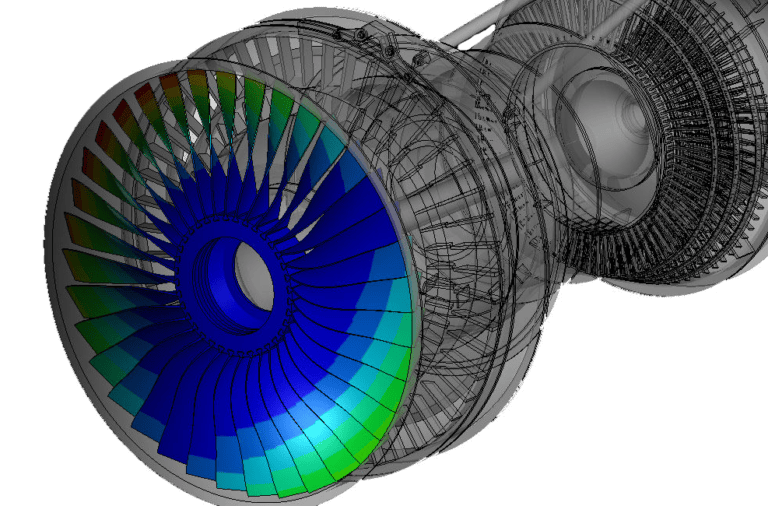
Structural analysis
Stresses, strains, contacts, nonlinearities, fatigue, stability, fracture and the response of components and assemblies.
- Linear and nonlinear statics
- Fatigue and service life
- Buckling and contacts
Numerical simulation to understand performance, investigate risks and guide improvements based on physics and sound engineering criteria.
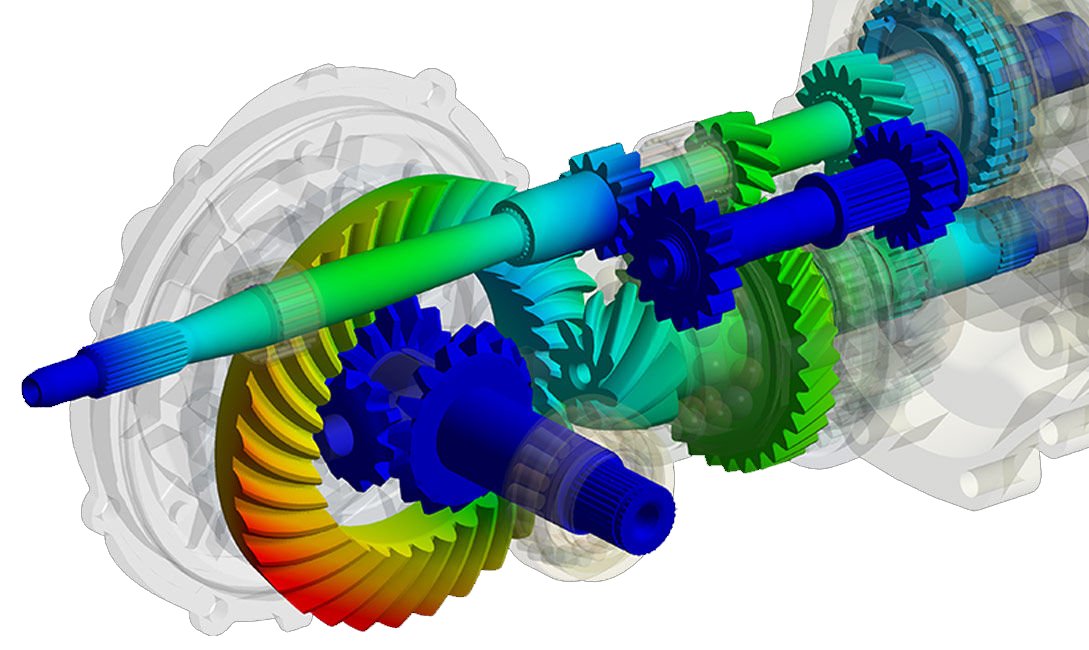
Every study starts with an engineering question: where the structural limit is, how the flow is distributed, which region heats up, how the system vibrates or what happens in an extreme event. Sirius turns that question into a model, verifies its numerical behavior and translates the results into recommendations for your project.
The exact set of tools and solvers is defined after assessing the scope and the availability of applicable licenses.
Stresses, strains, contacts, nonlinearities, fatigue, stability, fracture and the response of components and assemblies.
Internal and external flows, pressure losses, pressure distribution, turbulence, mixing and fluid-dynamic performance.
Conduction, convection, radiation and the interaction between temperature, materials, flow and mechanical response.
Natural frequencies, harmonic response, transient loads and the behavior of rigid and flexible systems in motion.
Short-duration phenomena with severe contact, large deformations, material failure and high nonlinearity.
Electric and magnetic fields, electrical machines, thermal integrity of electronics and RF problems as required.
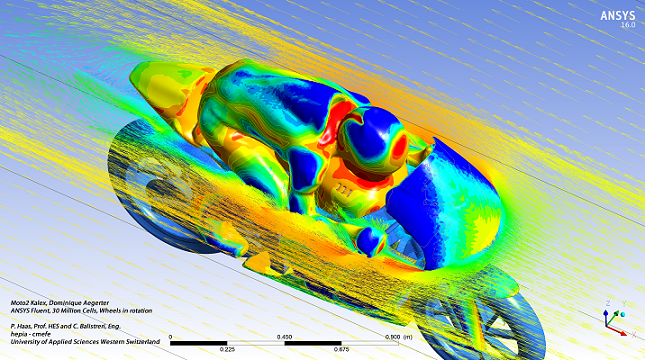
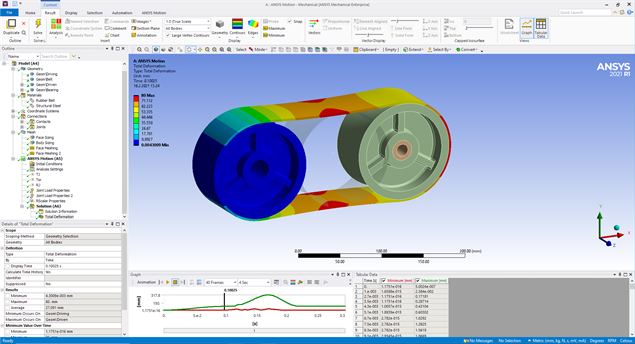
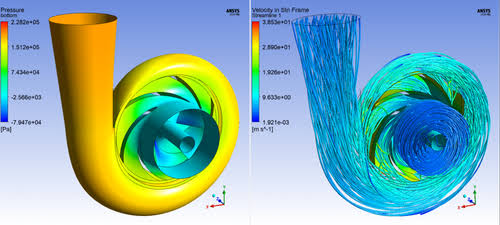
Identify stress concentrations, instabilities, recirculation zones, overheating and critical modes while still in the virtual environment.
Evaluate materials, thicknesses, geometries, operating conditions and concepts with consistent technical criteria.
Use the results to select critical conditions, place sensors and plan physical prototypes with sharper focus.
Record assumptions, properties, loads, criteria and results to build traceability throughout development.
A reliable study takes more than running a solver. Our workflow structures the question, makes assumptions explicit and includes checks proportional to the risk of the decision.
Objective, acceptance criteria, operating conditions, available data and the decision the study must support.
Review or simplification of geometry, materials, contacts, loads, boundary conditions and the analysis plan.
Discretization strategy, solver execution, convergence monitoring and handling of nonlinearities.
Balance checks, mesh and critical-parameter sensitivity, physical consistency and model limitations.
Relevant results, an answer to the original question, design recommendations and next validation steps.
Statement of assumptions, materials, loads and boundary conditions.
Description of the model, mesh, solver and checks performed.
Graphical and quantitative results at the relevant locations.
Conclusions, limitations and design-oriented recommendations.
Model files and additional data according to the contract and licensing.
Every study begins with a technical assessment. Geometry, data quality, required fidelity, risks, timelines and computing resources determine the simulation strategy.
Present my challenge ↗