Structure and mechanisms
Assembly of the airframe, control surfaces, mounts, compartments, landing gear, mechanisms and mechanical interfaces.
Assembly and integration of unmanned aerial systems with an architecture defined for each application.
Structure, propulsion, power, avionics, communication and payload are treated as parts of a single system — from the bench to progressive checks.
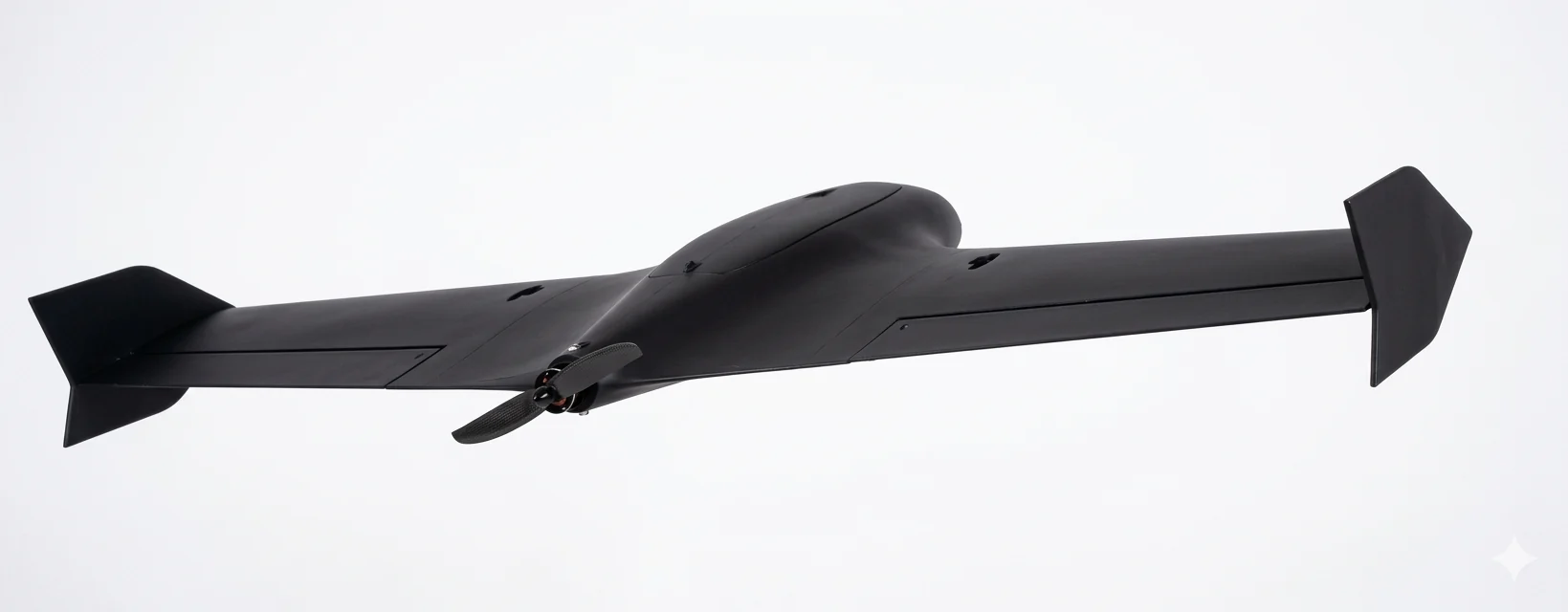
A reliable aircraft depends on compatibility between weight, center of gravity, power, signals, control, datalink, sensors and flight profile. Assembly is driven by these relationships to avoid improvisation and create a documented, accessible and upgradeable configuration.
The service can cover a single integration, a platform under development or a complete assembly according to the agreed technical scope.
Assembly of the airframe, control surfaces, mounts, compartments, landing gear, mechanisms and mechanical interfaces.
Matching of motors, propellers, ESCs, batteries, power distribution, connectors, protection and maintenance access.
Installation of autopilot, inertial sensors, GNSS, telemetry, receivers, actuators and navigation peripherals.
Organization of power and signals, connection labeling and definition of interfaces between subsystems.
Mechanical, electrical and functional integration of RGB cameras, thermal systems, gimbals and other compatible payloads.
Initial parameter setup, calibrations and verification of commands, power, communication and functional behavior on the bench.
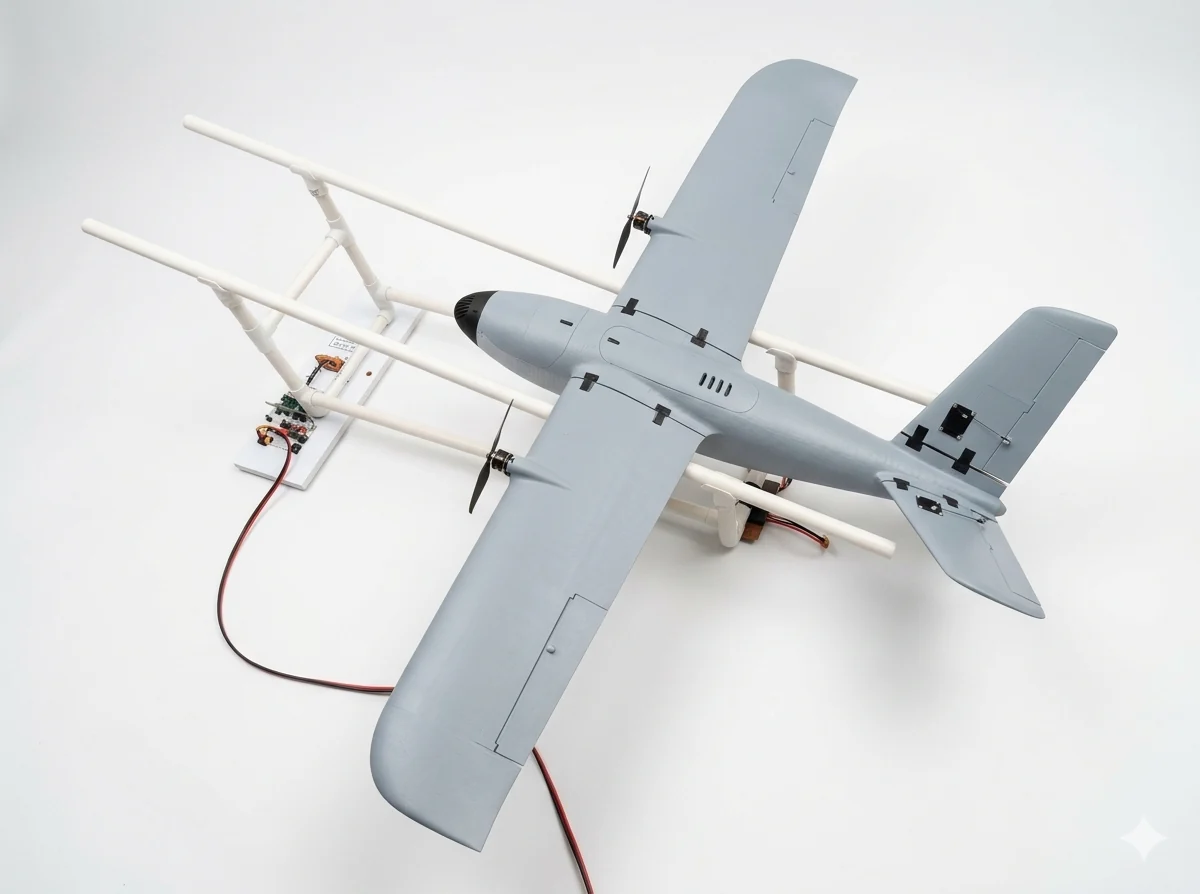
The internal layout must account for center of gravity, cooling, electromagnetic interference, cable routing, mounting and access to components. Every assembly decision affects operation and maintenance.
The components illustrate possible integration classes. The final selection depends on the platform, environment, payload and the goals of each project.

Integration of the autopilot with sensors, actuation, power, GNSS, telemetry and the aircraft's operational logic.
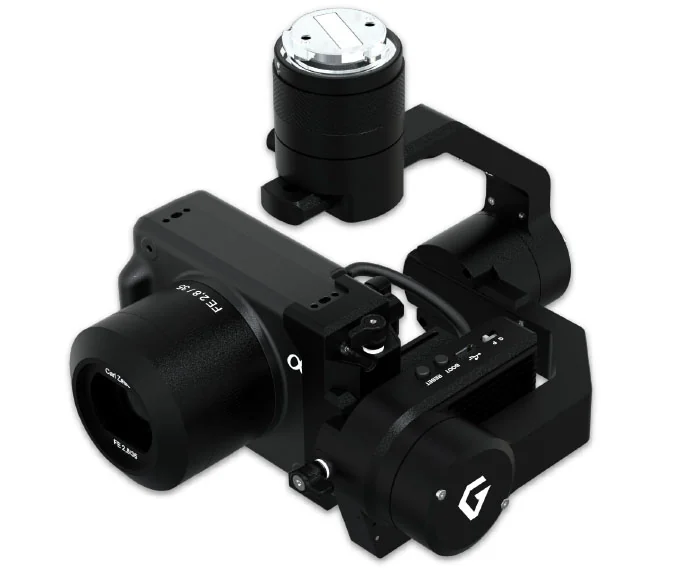
Mounting, power, communication, control and field of view considered together with the structure and mission profile.
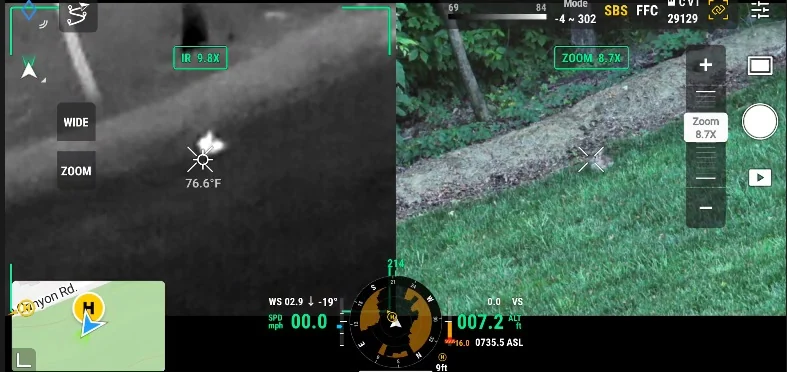
Integration of visible and thermal video and flight information for display and situational awareness support.
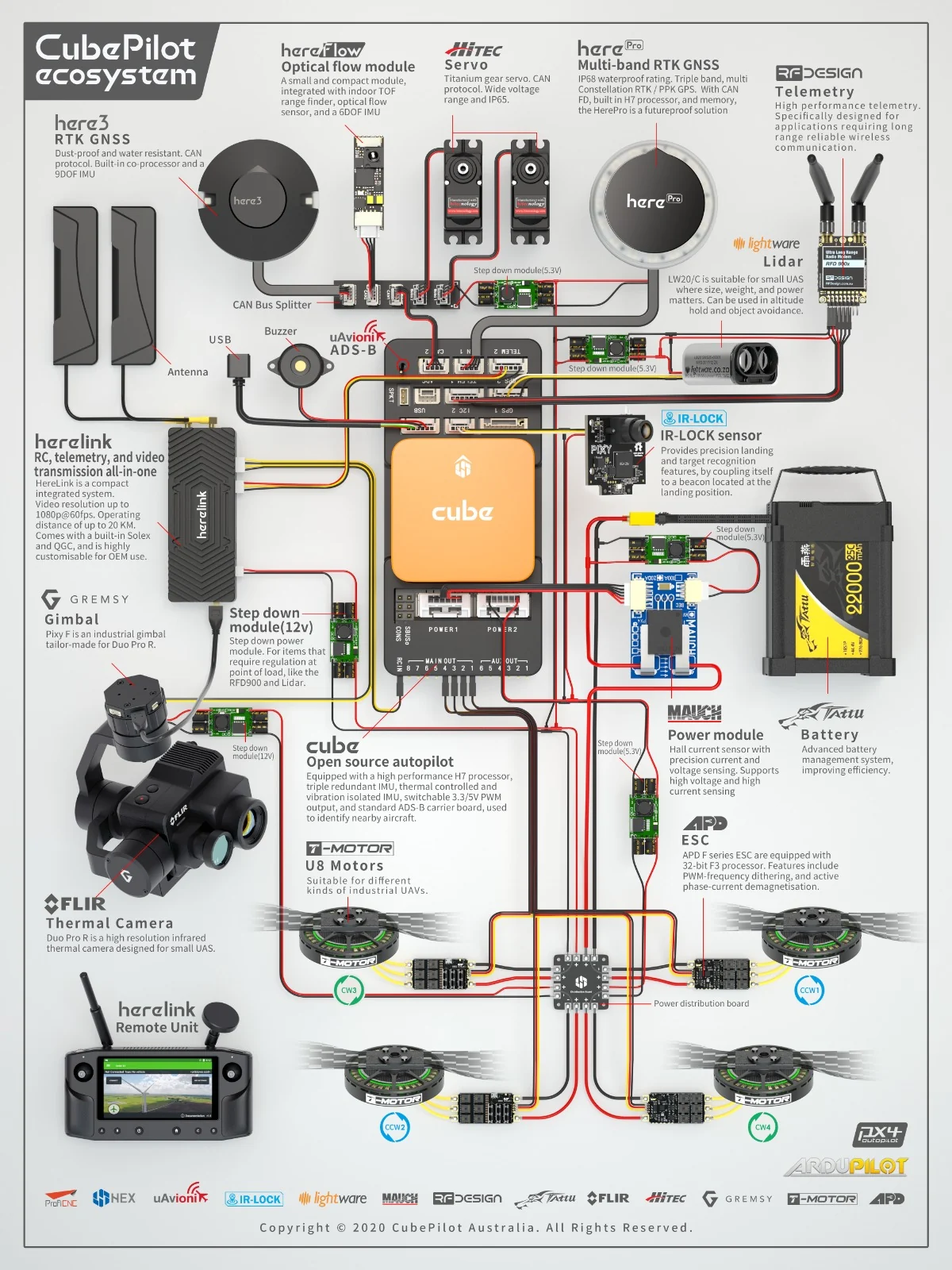
Before physical assembly, the architecture organizes power, signals, communication and dependencies. The diagram helps review compatibility, interfaces and critical paths between autopilot, propulsion, sensors, telemetry and ground station.
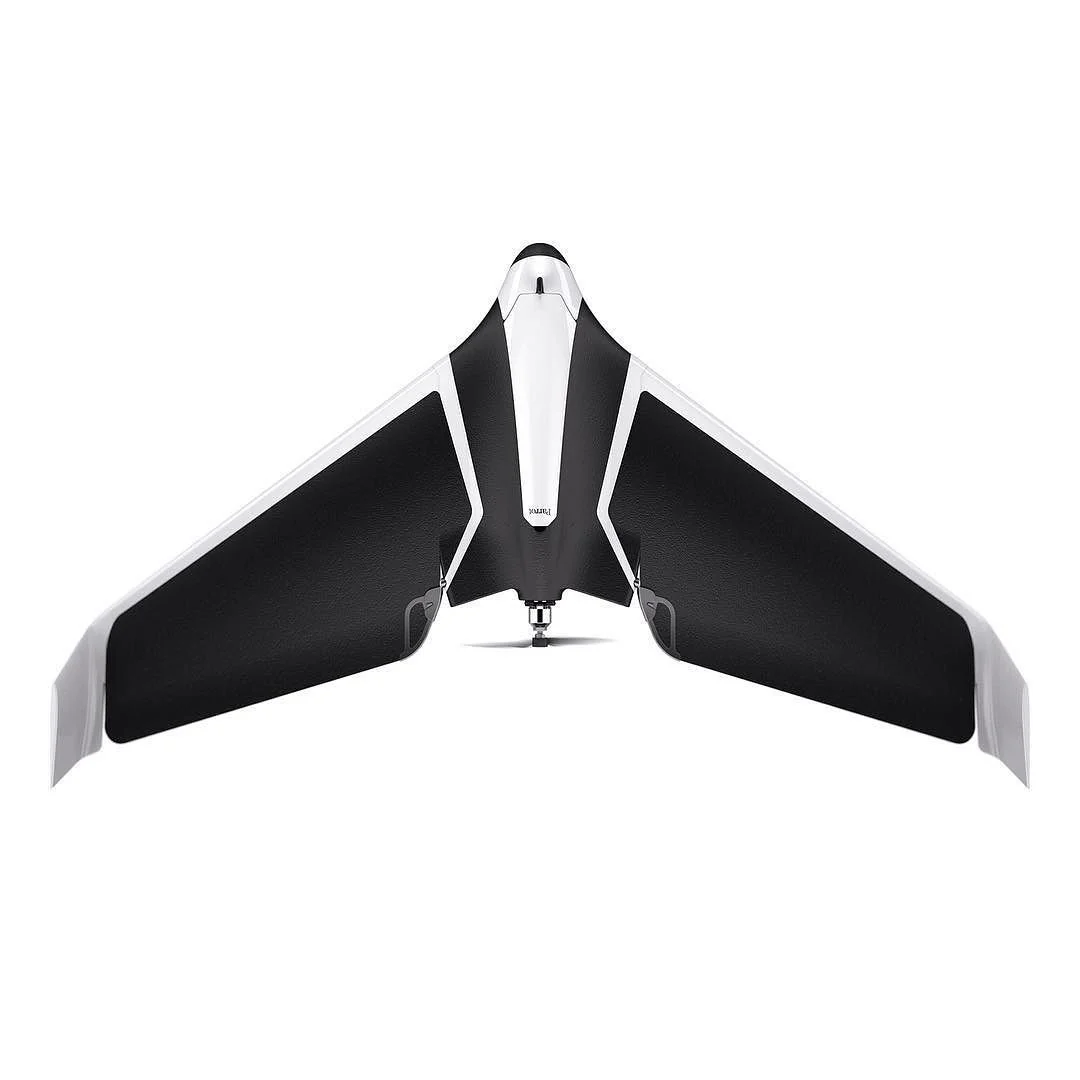
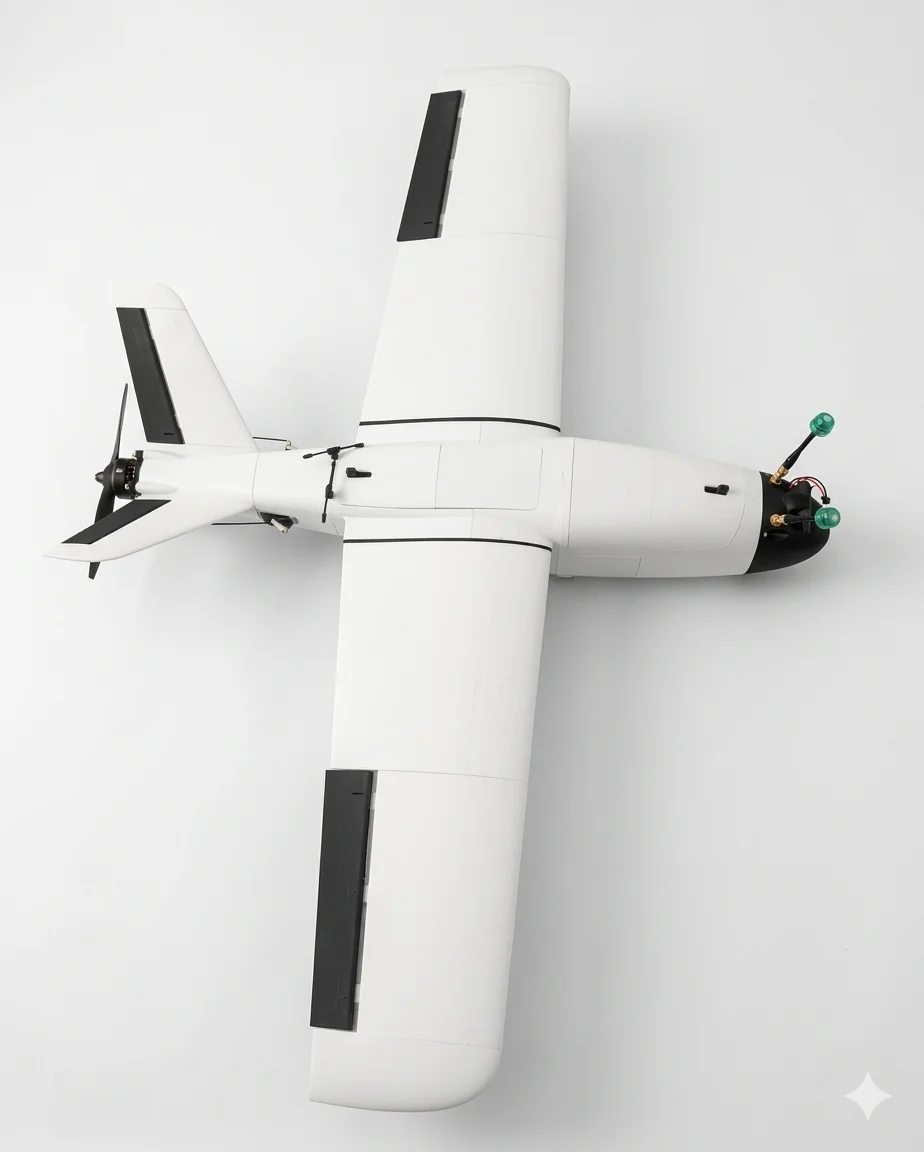
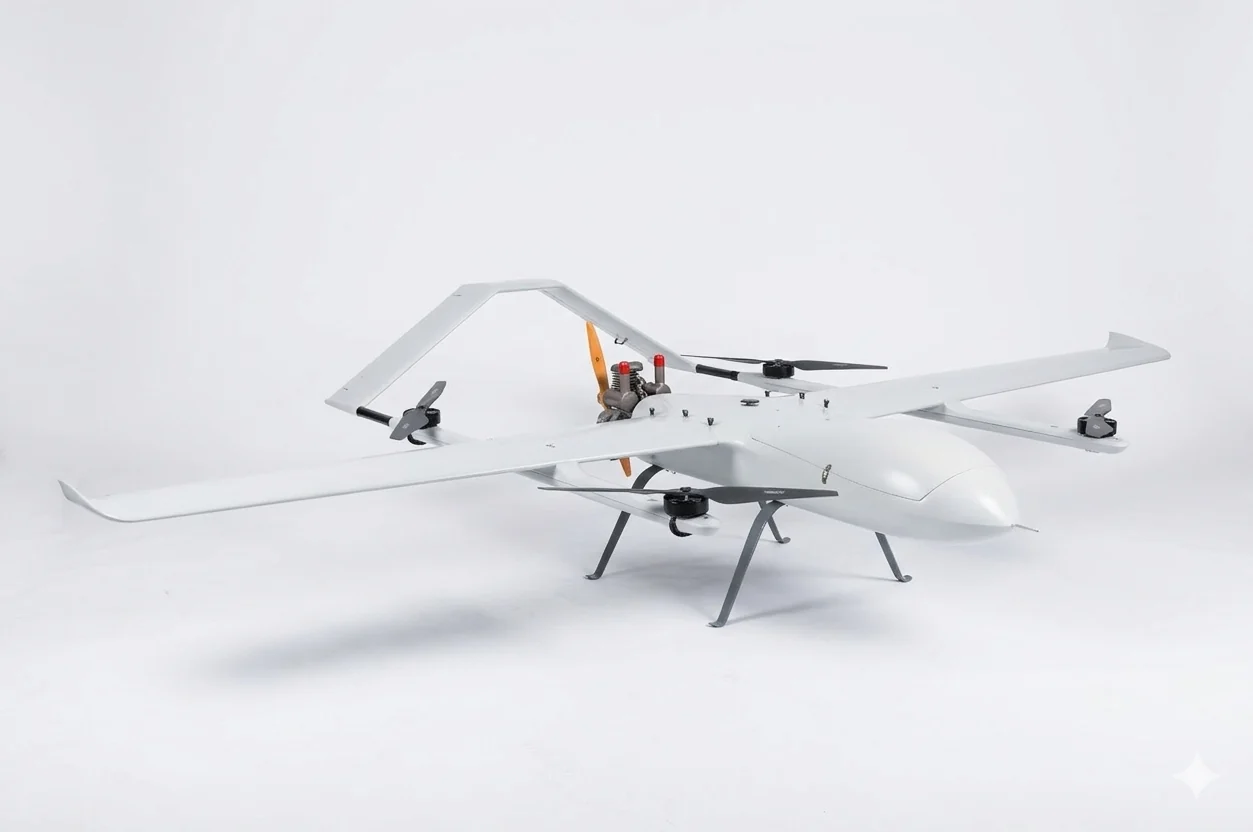
Assembly follows the chosen architecture. Flying wing, conventional fixed wing and VTOL each impose their own requirements for propulsion, stability, internal space, sensors and integration procedures.
The process advances in a controlled way, with checks matched to the platform's maturity and the contracted scope.
Understanding of the use case, environment, platform, payload, intended endurance, interfaces and constraints.
Definition of subsystems, compatibility, mass and power budget and integration points.
Installation, mounting, harnesses, distribution, connectors, internal layout and accessibility.
Parameter setup, calibration and progressive checks of power, commands, sensors and communication.
Ground tests and other checks defined in the plan before any operational step forward.
Record of the delivered configuration, agreed guidance and technical evolution as needed.
Architecture and bill of materials according to the defined scope.
Mechanical, electrical and functional integration of the contracted subsystems.
Initial configuration and records of the checks performed.
Interface identification and agreed technical documentation.
Operation and maintenance guidance and next cycles when applicable.
Performance, range, endurance, payload capacity, component availability and testing activities depend on the final configuration. Operating authorizations, certifications and other applicable requirements are defined according to the intended use and the competent authorities.